
Why Safe Working Load and Working Load Limit Matter in Industrial Handling
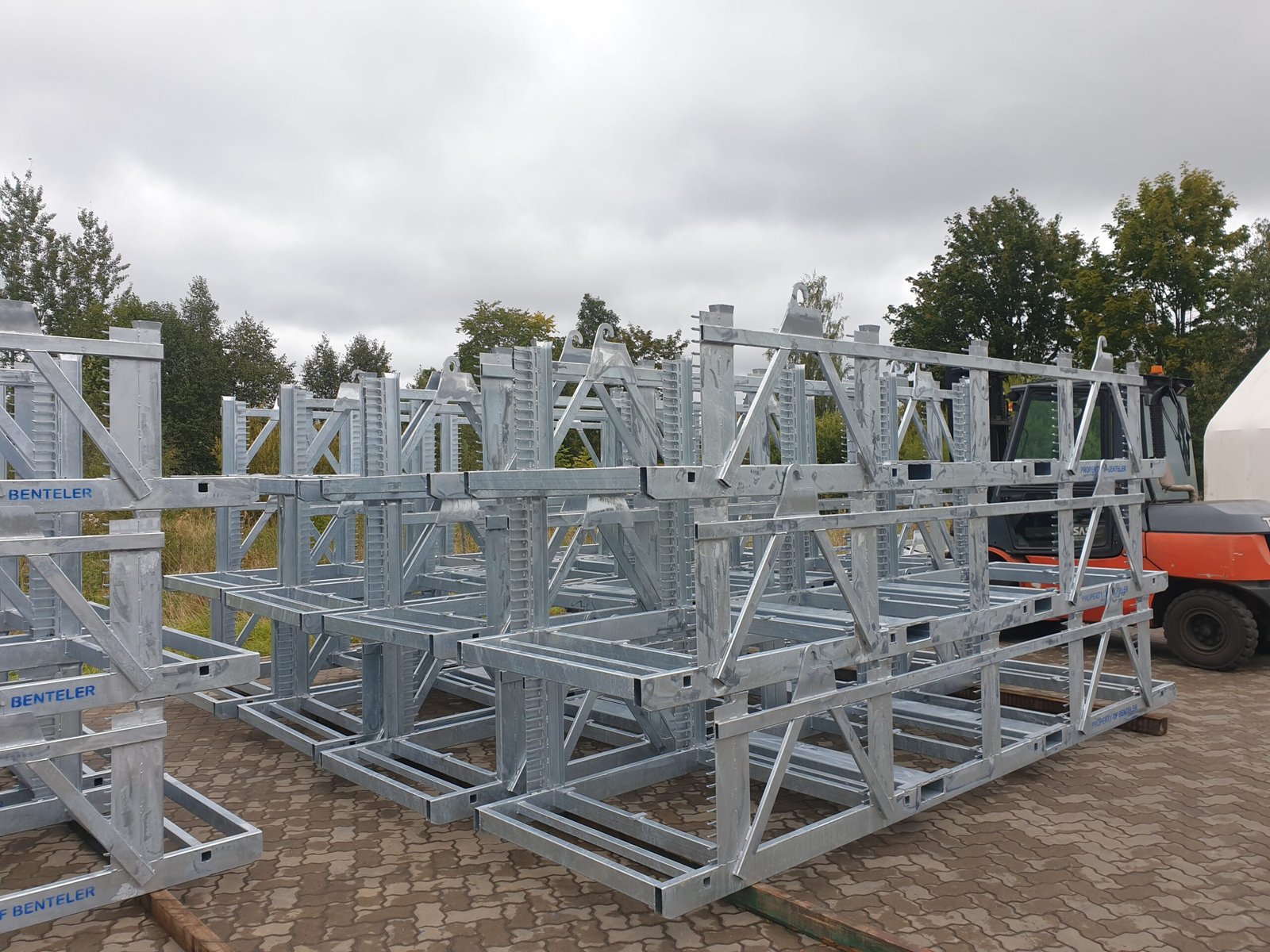
In many industrial environments, steel fabrications such as stillages, transport frames, racks, and heavy-duty containers are used to handle loads ranging from a few hundred kilograms to tens of tons. If these structures are not properly engineered with a clearly defined safe working load, the consequences can include structural failure, equipment damage, product loss, or serious safety incidents.
Safe Working Load — often referred to as Working Load Limit in modern lifting standards — defines the maximum load that a structure or lifting system can safely support during normal operation. Determining this value involves more than estimating weight. It requires engineering design, safety factors, and a precise understanding of how loads behave in real operating conditions.
What is Safe Working Load (SWL)?
Safe Working Load (SWL) is the maximum load that a structure, lifting device, or handling system can safely support during normal operation. This limit is defined through engineering calculations and safety factors so that equipment performs reliably under real working conditions.
In industrial environments, Safe Working Load may apply to equipment and structures such as:
- lifting frames;
- steel transport containers;
- stillages;
- heavy-duty storage racks;
- custom handling systems used in manufacturing or logistics.
For example, a steel transport frame designed to move large mechanical components might have an SWL of 10 tons. That means that during normal lifting, handling, and transport operations, the structure should never carry more than that load.
In practice, similar load ratings are often used for steel stillages or transport containers designed to move heavy industrial components in manufacturing or logistics environments.
The actual structural strength of the equipment is always higher than its Safe Working Load. Engineers intentionally keep the rated load below the point where structural failure could occur.
Why the structure is stronger than the rated load
This safety margin is created by applying engineering factors that account for uncertainties in real operations.
This design margin helps account for factors such as:
- dynamic forces during lifting;
- uneven load distribution;
- material variations;
- real-world operating conditions.
In some cases, manufacturers may also perform Proof Load testing, where the structure is temporarily loaded above its Safe Working Load under controlled conditions. This helps confirm that the structure can safely withstand stress beyond its normal operating limit.
Determining Safe Working Load is not just a theoretical calculation. It requires proper engineering design, controlled fabrication processes, and, in some cases, physical testing.
How is Safe Working Load calculated?
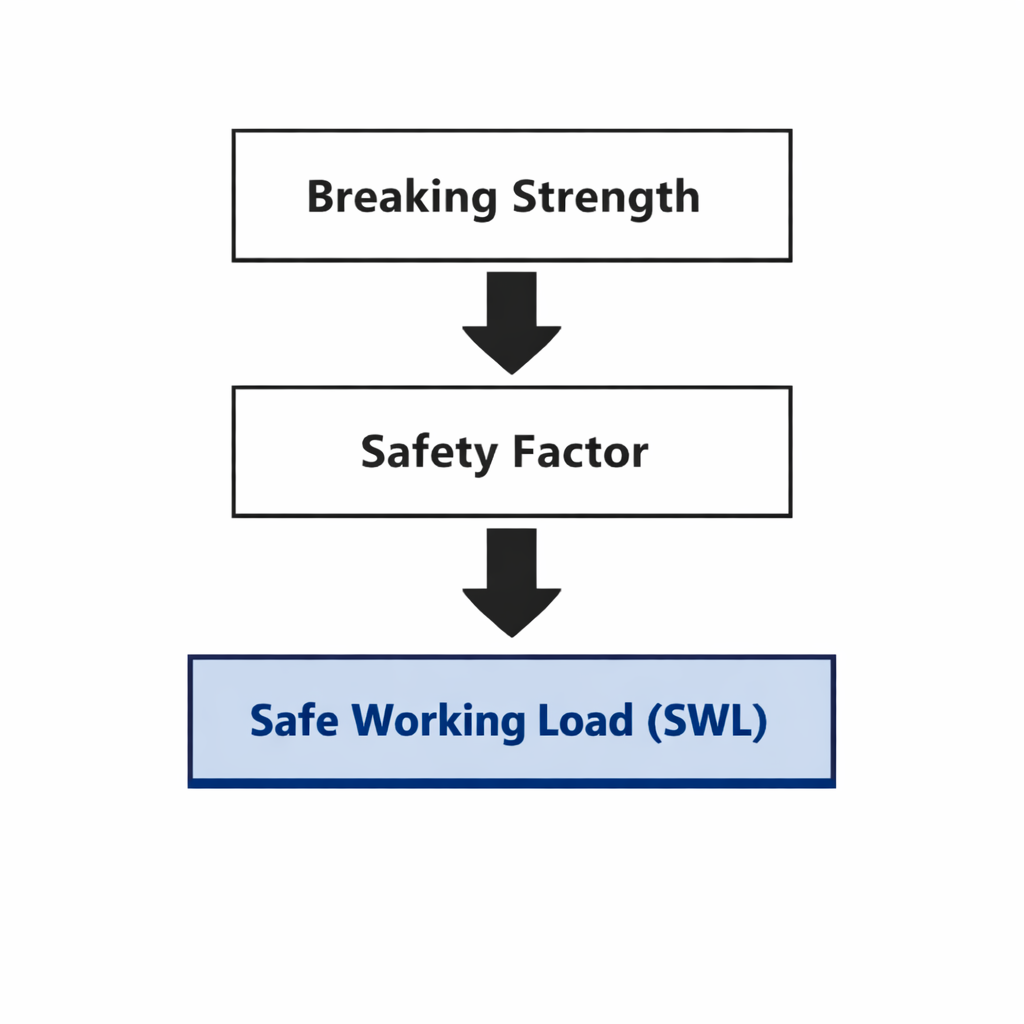
The relationship can be expressed using a simple formula:
This formula is commonly used by engineers when calculating the Safe Working Load of lifting equipment or structural components. The rated load still depends on the real design case, the lifting method, and the applicable engineering standard, so the final value should always be confirmed against the actual specification.
Example:
- Breaking strength: 50 tons;
- Safety factor: 5;
- Safe Working Load: 50 / 5 = 10 tons.
This means the structure may physically withstand higher loads, but during normal operation it should never carry more than 10 tons.
Why safety factors are used
Safety factors provide a margin of protection against unexpected stresses such as dynamic forces, uneven load distribution, or material variations. By reducing the permitted working load, engineers ensure that structures remain safe and reliable during real operating conditions.
Safety factors vary depending on the type of equipment, operating conditions, and applicable engineering standards. Lifting equipment such as chains or slings often uses safety factors between 5 and 7, while structural steel applications may use different values depending on the design case.
SWL vs WLL vs MRC vs Proof Load vs Safety Factor: What’s the difference?
When discussing load capacity in lifting equipment and steel fabrications, several related terms are commonly used. While they may sound similar, each describes a different aspect of how load limits are defined, calculated, and verified.
Understanding the difference between these terms helps ensure that lifting structures, containers, and handling systems are used within safe operating limits.
| Term | Meaning | Typical use | Main point |
|---|---|---|---|
| SWL | Safe Working Load | Structures, handling systems, lifting frames | Maximum safe load during normal operation |
| WLL | Working Load Limit | Chains, slings, shackles, hooks, lifting accessories | Often the modern preferred term for safe operating load |
| MRC | Maximum Rated Capacity | Manufacturer design specification | Design capacity, not always the same as normal safe operating load |
| Proof Load | Controlled test load above SWL | Testing and verification | Used to confirm structural strength without causing damage |
| Safety Factor | Engineering margin applied to determine safe use | Load calculations and design standards | Reduces permitted working load below theoretical failure limit |
SWL – Safe Working Load
Safe Working Load is the maximum load that equipment or a structure can safely support during normal operation. It represents the load limit that operators should never exceed when lifting, transporting, or storing materials.
In steel handling systems such as stillages, transport frames, and lifting structures, the SWL is usually clearly marked on the equipment so operators know the maximum permitted load.
WLL – Working Load Limit
Working Load Limit is closely related to SWL and is commonly used for lifting accessories such as chains, slings, shackles, and hooks. In many modern standards, WLL has replaced SWL as the preferred technical term.
In practice, SWL and WLL often refer to similar safe operating limits, although the terminology may depend on the industry, equipment type, or applicable safety standards.
MRC – Maximum Rated Capacity
Maximum Rated Capacity refers to the maximum load a structure or piece of equipment is designed to carry according to manufacturer specifications. Unlike SWL or WLL, which define safe operating limits, MRC usually describes the design capacity of the structure.
For example, a steel transport container might be designed with an MRC of 15 tons, while its Safe Working Load could be rated slightly lower to maintain an additional safety margin during real operations.
Proof Load
A Proof Load is a controlled test load applied during inspection or testing to verify the structural strength of a component. This load is intentionally higher than the Safe Working Load but remains below the point where structural damage or failure could occur.
If you want to go deeper into how steel fabrications are actually verified in practice, continue with Safe Working Load Testing for Custom Steel Fabrications.
Safety Factor
A Safety Factor is the engineering margin used to determine safe operating limits. Instead of allowing equipment to operate near its maximum physical strength, engineers intentionally reduce the permitted working load by applying a safety factor.
Once the terminology is clear, the next issue is practical: why clearly defined load limits matter when steel structures are lifted, transported, stacked, and reused in real operations.
Why Safe Working Load ratings matter for steel handling solutions
Steel handling structures such as stillages, transport frames, racks, pallets, and industrial containers are widely used to move heavy products throughout manufacturing, storage, and logistics operations. Because these structures are frequently lifted by forklifts or cranes, their load capacity must be clearly defined and respected.
Without a properly defined Safe Working Load, operators may unknowingly overload equipment, increasing the risk of structural damage, product loss, or workplace accidents.
That is also why lifting and handling rules such as LOLER guidance from the HSE and recognised execution standards for fabricated steel structures matter in practice. Rated load limits are not decorative markings. They are part of the structure’s safe use and legal defensibility.
What happens when load limits are not clearly defined
- structural deformation of frames or load-bearing elements;
- weld fatigue or cracking caused by repeated overloading;
- instability during lifting or transport;
- damage to the transported product;
- increased safety risks for operators.
Even small overloads repeated over time can lead to material fatigue, reducing the lifespan of the structure.
Real forces acting on steel handling structures
The load applied to a steel structure is not always static. During real operations, several forces may act on the equipment:
- static loads from the weight of the product;
- dynamic loads during crane lifting or forklift movement;
- shock loads, caused by sudden acceleration or braking;
- uneven load distribution inside containers or stillages;
- stacking loads when structures are placed on top of each other.
Why custom steel handling solutions require careful load design
In many industrial applications, handling systems are custom-designed to fit the exact dimensions, weight, and logistics requirements of a customer’s product. This means that the Safe Working Load must be determined based on several design parameters.
Design parameters that affect the final rated load
- the weight and center of gravity of the product;
- the lifting method (forklift, crane, or both);
- the number and position of lifting points;
- transport conditions, including vibrations and shocks;
- stacking requirements in storage or transport.
When these factors are properly considered during the design stage, the resulting structure performs reliably throughout its operational life while maintaining a clear margin of safety.
What buyers should define before ordering custom steel handling solutions
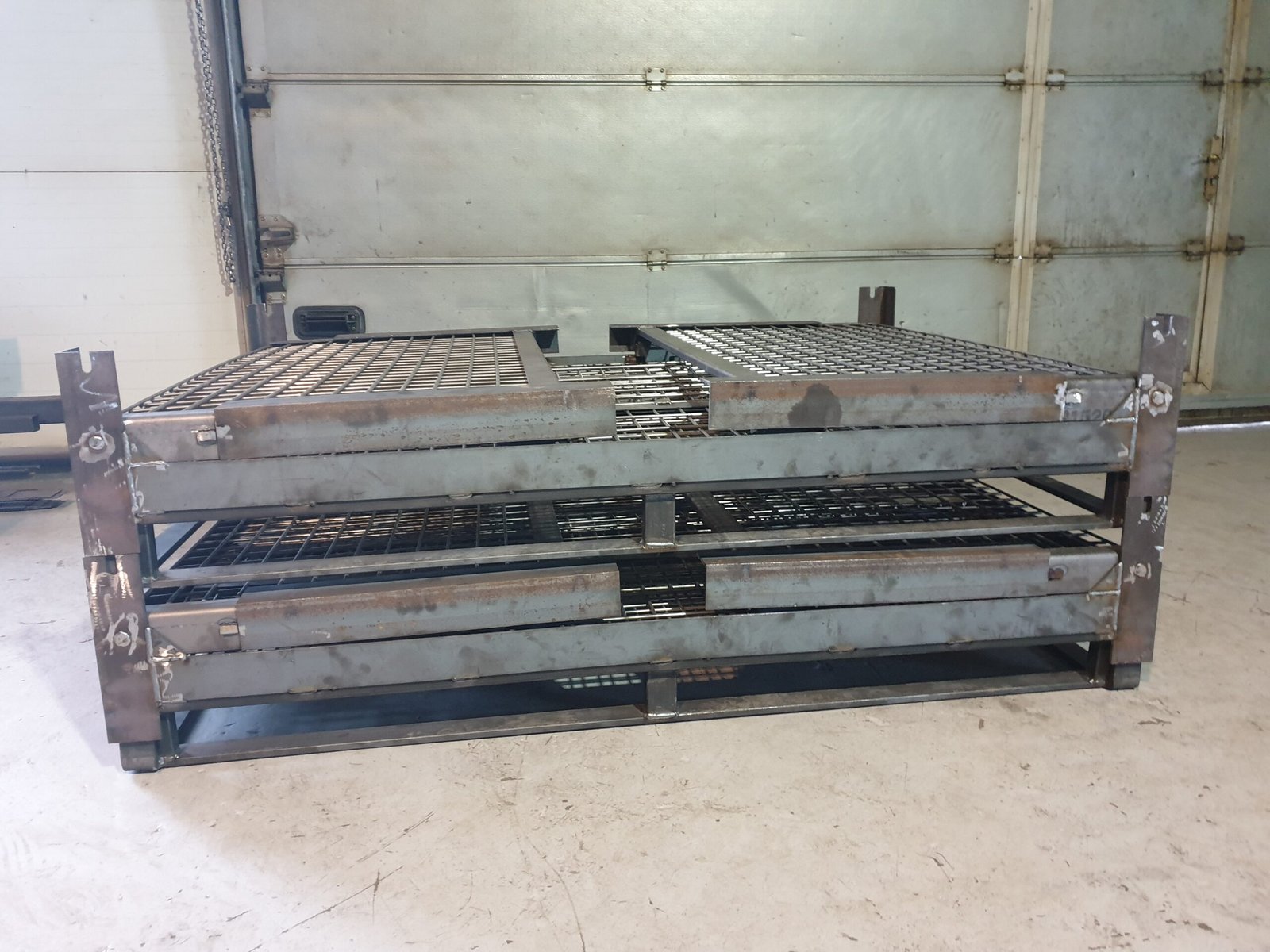
Before starting a project, buyers should clearly define several key requirements related to load capacity, handling methods, and operating environments. The more precisely these parameters are understood upfront, the faster engineers can develop a structure that performs safely and efficiently throughout its real service life.
What load will the structure carry?
- Maximum product weight and position of the center of gravity
- Whether temporary overload conditions may occur during handling
- Any uneven load distribution that could affect structural design
How will the structure be handled?
- forklift, crane, or automated handling system;
- number and position of lifting points or fork pockets;
- whether single or combined handling methods apply.
What conditions will the structure operate in?
- indoor or outdoor operation;
- exposure to moisture, chemicals, or temperature variations;
- required corrosion protection and expected service life.
Is testing or verification required?
Some projects require additional documentation confirming load capacity. This may include engineering calculations, proof load testing, or inspection by independent certification bodies. Defining these requirements early ensures the final structure meets both operational and regulatory expectations. Where fabrication quality and welding traceability matter, standards such as EN 1090 execution requirements are part of the trust picture.
Will the structure be stacked or optimized for transport?
- whether structures will be stacked during storage or transport;
- the maximum stacking load lower units must support;
- compatibility with standard transport dimensions;
- how efficiently units can be arranged during shipment.
Properly designed handling structures significantly improve transport efficiency and warehouse space utilization. If return logistics are part of the decision, see also When Collapsible Gitterboxes and Stillages Are Better.
Planning a custom steel handling solution?
Share the basic details of your project, such as product weight, dimensions, lifting method, and operating environment, and GorillaBasket can help determine the appropriate Safe Working Load and structural concept.
Providing drawings, CAD files, or basic specifications allows engineers to evaluate the project faster and improve pricing and feasibility feedback.
Safe Working Load (SWL) – Frequently Asked Questions
What is Safe Working Load (SWL)?
What is the difference between SWL and WLL?
What is Maximum Rated Capacity (MRC)?
How is Safe Working Load calculated?
What is Proof Load?
Why are safety factors used in engineering design?
Can custom steel structures be tested or certified?
Conclusion
Safe Working Load is a fundamental concept in the design and safe operation of steel handling systems. Clearly defined load limits help ensure that structures such as stillages, transport frames, and containers can perform reliably during lifting, transport, and storage operations.
By combining proper engineering design, safety factors, and clearly defined operating conditions — whether the rating is expressed as Safe Working Load or Working Load Limit — manufacturers can ensure that steel handling solutions operate safely while maintaining the durability required for industrial use.
For the next step in the process, continue with Safe Working Load Testing for Custom Steel Fabrications to see how simulation, prototype development, testing, and verification fit into the full engineering workflow. If you are comparing handling platforms rather than only the load terms, see also Steel Pallets vs Wooden Pallets.
Planning a custom steel handling solution?
Share the basic details of your project, such as product weight, dimensions, lifting method, and operating environment, and engineers can help determine the appropriate Safe Working Load and structural design.
If you already have technical drawings or CAD files, sending them can significantly speed up the evaluation process and allow for faster pricing and feasibility feedback.